Review: Christmas Dancing Cat PNG for Embroidery
As a designer who has spent countless hours digitizing and stitching out holiday motifs, I approach every new Christmas Dancing Cat, Christmas Cat PNG with a mix of excitement and skepticism. We have all seen the flood of generic holiday graphics, but finding an illustration that translates well from screen to thread is a different challenge entirely. When I first pulled up this specific design, my immediate thought was not just about its cuteness, but about its structural integrity once it hits the fabric.
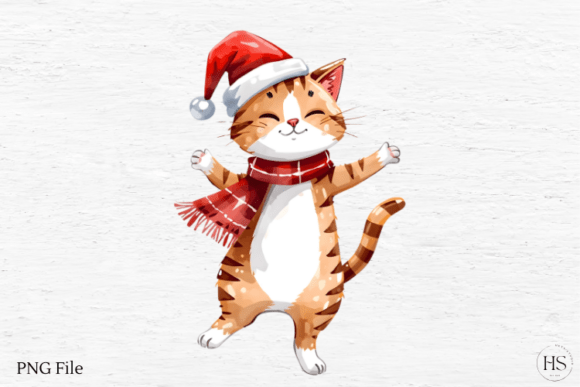
The mood here is playful yet polished. The cat’s posture suggests movement, which is notoriously difficult to capture in embroidery without losing clarity. For those of us running small shops or creating handmade products for Etsy, the visual personality of a design can make or break a sale. This particular piece feels like it belongs on items that are meant to be touched and worn, rather than just displayed digitally. It has a warmth that resonates with the current trend of whimsical, character-driven holiday embroidery.
Real-World Application: The Tote Bag Test
To truly evaluate a design, you have to imagine it in a real-life scenario. I recently worked on a custom order for a boutique client who wanted a line of reusable grocery bags. I considered using this Christmas Dancing Cat, Christmas Cat PNG as the central motif for a limited-edition December release. The question was not just whether it looked good, but how it would hold up against the textured weave of canvas.
In this context, the design’s layout proved to be its strongest asset. The balanced composition means it does not lean too heavily to one side, which is crucial when centering a motif on a tote bag design. If the details were too fine, they might get lost in the fabric grain. However, the bold lines in this illustration suggest that it would stitch out cleanly, even on a medium-weight cotton canvas. For an Etsy seller, this reliability is key. You do not want to spend hours hooping and stitching only to find that the cat’s expression is muddy or indistinct.
Performance Across Different Garments
Beyond tote bags, I evaluated how this graphic would perform on various custom apparel items. For a sweatshirt embroidery project, the design offers enough substance to stand out against fleece or French terry cloth. The implied motion of the dancing cat adds a dynamic element that static holiday icons often lack. It feels lively, which appeals to buyers looking for something more unique than a standard snowflake or tree.
However, caution is needed when applying this to smaller items. If you are considering this for baby embroidery on onesies or bibs, you must check the scale. While the charm is undeniable, tiny details can become problematic on stretchy fabrics. A stabilizer is non-negotiable here, but even with proper backing, overly complex areas might pucker if the stitch density is too high for such a delicate garment. I recommend testing a scaled-down version on scrap fabric first to ensure the facial features remain clear.
For embroidered patch creation, this design shines. Patches allow for higher stitch counts and denser fills without worrying about fabric distortion. The distinct outline of the cat would look crisp with a satin stitch border, making it a durable and attractive add-on for jackets or hats. This versatility makes it a valuable asset for any craft business looking to expand their product line beyond simple flat embroidery.
Navigating Technical Challenges
Every designer knows that a pretty picture does not always equal a good machine embroidery design. When working with a PNG source, you are often starting from scratch or using auto-digitizing software, which requires careful manual editing. The primary concern with the Christmas Dancing Cat, Christmas Cat PNG is the transition between colors. In embroidery, we rely on thread colors to define shape, not just shading.
If you are converting this illustration into an embroidery file, pay close attention to the contrast. On dark fabrics, lighter thread colors will pop, but you may need to add a underlay stitch to prevent the background fabric from showing through. Conversely, on light fabrics, ensure that your fill stitch direction complements the flow of the cat’s fur or movement. Using a running stitch for finer details like whiskers can add texture without adding bulk, but they must be short enough to avoid snagging.
Another critical factor is the hoop size. Ensure that the final stitched dimensions fit comfortably within your machine’s capabilities. Trying to squeeze a large, detailed design into a small hoop can lead to registration errors. Always confirm the maximum stitch area before committing to a production run. This is especially important for commercial embroidery where consistency across dozens of units is required.
Enhancing Brand Value and Customer Trust
From a business perspective, the quality of your design assets directly impacts customer trust. A well-executed finished product featuring this cat signals professionalism. It shows that you care about the details, which encourages repeat business. When customers see a clean, vibrant design on a personalized gift, they are more likely to share photos on social media, providing organic marketing for your small shop product line.
Using high-quality design assets like this also streamlines your workflow. Instead of spending hours creating a motif from scratch, you can focus on perfecting the stitching parameters. This efficiency allows you to take on more orders or experiment with new printable mockup styles for your online listings. Whether you are selling physical goods or digital embroidery file packages, the underlying quality of the art matters.
Practical Notes for Designers
Before you start stitching, keep these practical tips in mind:
- Test on Scrap Fabric: Always run a test stitch-out on the same type of fabric you plan to use for the final product. This helps you identify any issues with tension or density.
- Check Thread Contrast: View your design in black and white to ensure the shapes are distinguishable without color cues. This is vital for accessibility and visual clarity.
- Review Stitch Density: High density can cause puckering, especially on thinner materials. Adjust your pull compensation and density settings accordingly.
- Confirm Licensing: If you are using a PNG as a reference for digitizing, ensure you have the right to create derivative works. If you are buying a pre-digitized file, check if it includes commercial use rights for your craft business.
- Use Proper Stabilizer: Match your stabilizer to your fabric. Cut-away stabilizers are generally better for stretchy knits, while tear-away works well for stable wovens.
In conclusion, the Christmas Dancing Cat, Christmas Cat PNG offers a delightful blend of charm and practicality. With careful attention to digitizing techniques and material selection, it can elevate your embroidery project from ordinary to exceptional. Whether you are decorating a kitchen towel or creating a signature apparel decorators piece, this design holds up under scrutiny. It is a reminder that in the world of handmade goods, the joy is in the details, and a well-chosen motif can bring a whole lot of holiday spirit to life.