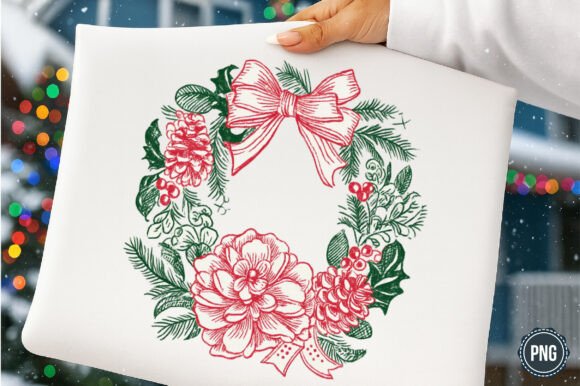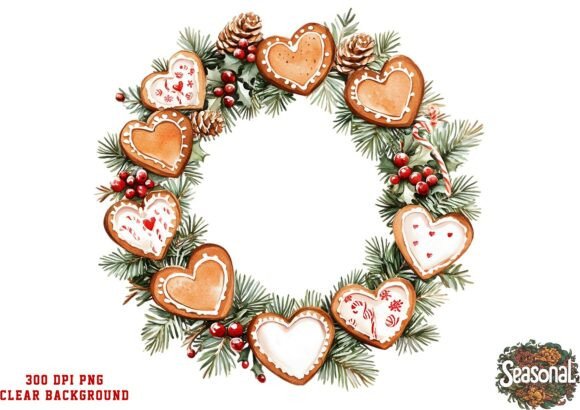
Reviewing the Apricot Ornament Christmas Wreath PNG
As a designer who spends half my life digitizing files and the other half watching needles punch through fabric, I have learned to look past the glossy preview images. When I first opened the Apricot Ornament Christmas Wreath PNG, my immediate reaction was not just about aesthetics, but about stitchability. In the world of machine embroidery design, a pretty picture does not always translate to a clean finished product. This review breaks down how this specific asset performs when moved from a digital screen to actual thread and fabric.
First Impressions and Visual Mood
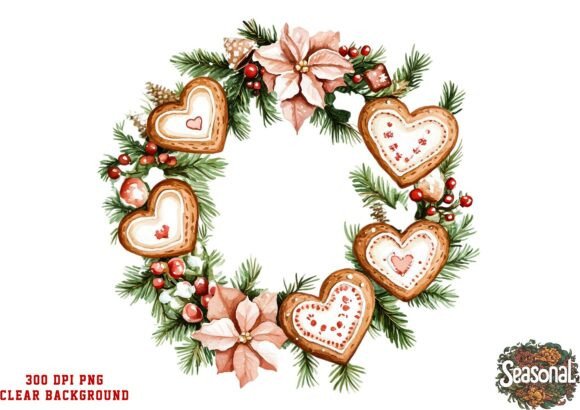
The visual personality of this wreath is warm and inviting. Unlike the stark greens and reds of traditional holiday motifs, the apricot tones introduce a softness that feels modern yet timeless. For an embroidery project intended for home decor or boutique apparel, this color palette offers a refreshing alternative to standard seasonal colors. The layout appears balanced, with organic curves that suggest a natural growth pattern rather than a rigid geometric shape. This is crucial because organic shapes tend to hide minor stitching imperfections better than sharp, angular lines.
When evaluating this as part of a broader collection of Illustrations, it stands out for its potential versatility. It does not scream "holiday" so loudly that it becomes obsolete on December 26th. Instead, it carries a winter warmth that can extend into early spring, making it a smarter investment for Etsy sellers and craft business owners who need inventory longevity.
Real-World Application: The Tote Bag Test
To truly understand the value of this design, I imagined applying it to a heavy canvas tote bag design. This is a common request for small shop products during the gift-giving season. The wreath’s circular form works exceptionally well here. It centers naturally on the bag’s face, allowing for personalized text to be arched above or below without cluttering the composition.
If you are creating a personalized gift, such as a monogrammed tote for a teacher or a neighbor, the open center of the wreath provides the perfect negative space for a name or initial. However, attention must be paid to the stitch density. If the original file is dense, it may cause the canvas to pucker. I recommend testing a sample on scrap fabric identical to your final material. This step is non-negotiable for maintaining professionalism in commercial embroidery.
Apparel and Fabric Considerations
Moving from accessories to custom apparel, let us consider sweatshirt embroidery. A fleece or cotton-blend sweatshirt provides a stable base, but the texture can swallow fine details. The apricot tones in this design should pop against neutral backgrounds like oatmeal, charcoal, or navy. However, if you are stitching on a dark fabric, you must ensure your thread colors have enough contrast. A light apricot might get lost if the underlay stitches are not properly optimized for dark materials.
For baby embroidery projects, such as a onesie or a burp cloth, the softness of the color palette is a major advantage. Parents often prefer muted, pastel-like tones over bright primaries. Yet, caution is required regarding the hoop size. If the design is large, it may be too stiff for a delicate baby garment. Always check the dimensions before committing to a small item. Additionally, use a soft, cut-away stabilizer to prevent irritation against sensitive skin.
Challenges with Curved Surfaces
One area where this design requires careful handling is on curved surfaces like caps. While a wreath is circular, which theoretically fits a cap front, the detailed ornamental elements might distort if the fabric stretches during hooping. If you are creating an embroidered patch to sew onto a hat instead, you eliminate this risk entirely. Patches allow you to stitch on flat, stable twill, ensuring the satin stitch edges remain crisp and the fill stitch areas lay flat.
Technical Execution and Stitch Quality
From a technical standpoint, the transition between colors in this wreath is critical. Poorly digitized gradients can result in visible gaps or excessive thread jumps. When reviewing the digital embroidery file, look for smooth transitions between the apricot shades and any accompanying greenery or accents. A high-quality file will use running stitch outlines effectively to define shapes without adding unnecessary bulk.
It is also vital to inspect the small details. Are there tiny elements that might break under the stress of washing? In holiday embroidery, items are often gifted and subsequently laundered frequently. Ensure that any fine lines are thick enough to withstand agitation. If the design includes very small decorative accents, consider simplifying them or removing them if they do not contribute significantly to the overall visual appeal.
Commercial Viability and Branding
For small shop product creators, consistency is key. Using a cohesive set of design assets helps build brand recognition. The Apricot Ornament Christmas Wreath PNG can serve as a cornerstone for a winter collection that includes tea towels, pillow covers, and kitchen linens. The warm tone pairs beautifully with natural fibers like linen and cotton, enhancing the handmade aesthetic that customers seek on platforms like Etsy.
When creating printable mockup previews for your online store, ensure the digital representation matches the stitched reality. Misleading images lead to returns and negative reviews. Use high-resolution photos of your test stitches to show the true texture and sheen of the threads. This transparency builds customer trust and positions your brand as professional and reliable.
Practical Designer Notes
Before launching this design into your production line, follow these practical steps:
- Test on Scrap Fabric: Never stitch directly on your final garment. Use identical fabric scraps to check for puckering and registration issues.
- Check Thread Contrast: Verify that the apricot threads stand out against your chosen fabric background. Adjust brightness if necessary.
- Review Stitch Density: High density can cause fabric distortion. Reduce density if stitching on lightweight or stretchy materials.
- Confirm Hoop Size: Ensure the design fits comfortably within your machine’s hoop, leaving room for stabilization.
- Inspect Small Details: Zoom in on the digital file to identify any tiny elements that may not stitch out cleanly.
- Verify Licensing: Before selling finished items or digital products, confirm the license terms associated with the file. Ensure it allows for commercial embroidery use.
In conclusion, the Apricot Ornament Christmas Wreath PNG offers a sophisticated option for holiday and winter projects. Its success lies in thoughtful application, proper stabilizer selection, and rigorous testing. By treating this design with the respect it deserves, you can create handmade products that delight customers and elevate your brand’s reputation.