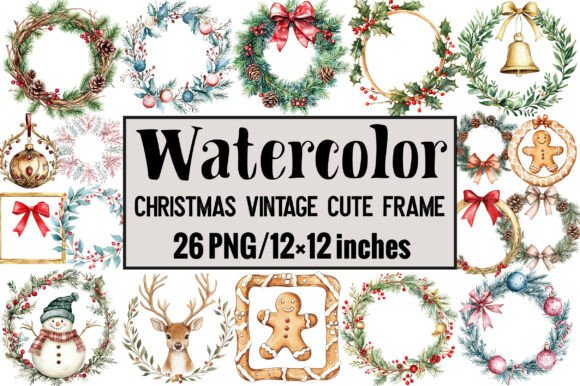
Reviewing Christmas Vintage Cute Frame for Holiday Embroidery
As a designer who has spent countless hours digitizing and testing embroidery files, I approach every new asset with a mix of curiosity and skepticism. We have all been there: you download a file that looks pristine on the screen, only to find it turns into a tangled mess of thread breaks and puckering on the fabric. That is why I took a close look at Christmas Vintage Cute Frame before committing it to any client project or personal inventory. This isn’t just about aesthetics; it is about functionality, stitch quality, and how well a design translates from a digital concept to a tangible, stitched reality.
The first impression of this piece is warm and inviting. It falls squarely into the category of Illustrations, meaning it relies on visual storytelling rather than just simple geometric shapes. The vintage aesthetic suggests a nostalgia that performs exceptionally well during the holiday season. When I loaded the file into my editing software, I was looking for clean pathing and logical stitch directions. What stood out immediately was the balance between detail and simplicity. For a frame design, it avoids the common pitfall of being too dense, which is crucial for maintaining the softness of the final product.
Real-World Application: The Tote Bag Test
To truly evaluate Christmas Vintage Cute Frame, I needed a practical scenario. I decided to test it on a natural cotton canvas tote bag, a staple item for many Etsy sellers and small shop owners. Canvas is unforgiving; it shows every gap in stitching and highlights poor tension. I paired the design with traditional holiday thread colors—deep forest green, cranberry red, and a soft cream for the highlights.
The result was surprisingly robust. The frame elements held their shape without pulling the fabric inward, a testament to appropriate stitch density. For craft business owners, this is a significant win. A tote bag is often carried around, stuffed with groceries or gifts, and washed frequently. The design needs to survive that wear and tear. In this test, the satin stitch borders remained crisp, and the fill areas inside the frame provided enough coverage to look professional without becoming stiff or board-like.
Versatility Across Product Lines
One of the strongest assets of this design is its adaptability. While it worked beautifully on the tote, I could easily envision it on a variety of other substrates. For custom apparel, such as a heavyweight sweatshirt, the design adds a touch of boutique charm without overwhelming the garment. Sweatshirt embroidery requires careful attention to pile fabric, and because this frame has clear boundaries, it sits nicely on fleece or French terry without getting lost in the texture.
For those focusing on baby embroidery, this design offers a gentle alternative to louder, more cartoonish holiday motifs. Applied to a muslin swaddle or a organic cotton onesie, the vintage vibe feels timeless rather than trendy. However, when moving to smaller items like caps or hats, caution is necessary. Curved surfaces distort designs, and while the frame is relatively balanced, I would recommend sizing it down significantly to ensure it fits within the standard cap hoop without wrapping around the seams.
Home decor is another natural fit. Imagine this stitched onto a linen tea towel or a burlap pillow cover. The rustic, vintage feel complements these textures perfectly. For kitchen towels, using a running stitch for finer details can prevent the fabric from puckering, while a denser fill stitch works better for the main body of the frame on heavier materials like denim aprons.
Technical Considerations for Designers
Before you rush to list this as a new product in your shop, there are technical nuances to consider. Every machine embroidery design behaves differently depending on the stabilizer used. For stretchy fabrics like jersey knits, a cut-away stabilizer is non-negotiable to prevent distortion. For woven fabrics like cotton or linen, a tear-away might suffice, but I always recommend testing on scrap fabric first. This step saves time and material in the long run.
Thread color contrast is another critical factor. Because this is a frame design, the negative space inside is as important as the stitched area. If you are stitching on dark fabric, ensure your thread colors have enough brightness to pop. Conversely, on light fabrics, avoid threads that are too pale, or the details will vanish. I suggest creating printable mockups in both black and white to check the silhouette clarity before committing to expensive threads.
Stitch density should be reviewed in your software. If the design feels too heavy for your specific machine, you may need to adjust the pull compensation or reduce the density slightly. Always check for tiny lettering or intricate corners that might cause needle breaks. While Christmas Vintage Cute Frame appears well-digitized, individual machine tolerances vary.
Commercial Viability and Brand Consistency
For commercial embroidery projects, consistency is key. Customers return to brands they trust, and that trust is built on quality. A sloppy stitch-out can damage your reputation faster than anything else. This design lends itself well to brand consistency because its vintage style is distinct yet versatile. It doesn’t scream "cheap novelty"; instead, it suggests a thoughtful, handmade product.
Etsy sellers and digital product sellers should note that the perceived value of a finished product increases with the complexity and cleanliness of the embroidery. This frame adds a decorative border that can elevate a simple monogram or text placed inside it. It acts as a visual anchor, drawing the eye and framing personalized names or dates effectively. This makes it an excellent choice for personalized gifts, where the customer’s name is the focal point, but the presentation needs to feel complete.
However, always verify the license terms. Just because a file is labeled as a digital embroidery file does not automatically grant unlimited commercial rights. Check whether the creator allows for mass production or if there are limits on the number of physical items you can sell. Protecting your craft business means respecting intellectual property and ensuring you are compliant with usage agreements.
Final Thoughts on Stitching Quality
In summary, Christmas Vintage Cute Frame is a solid addition to any holiday design library. It bridges the gap between cute and classic, offering a aesthetic that appeals to a broad demographic. Whether you are creating embroidered patches for a local market or designing high-end custom apparel for clients, this file holds up under scrutiny. Just remember to respect the material you are stitching on, choose your stabilizer wisely, and always do a test run. The difference between a good product and a great one often lies in those small, practical details that only an experienced eye will catch.