Reviewing the Cute Cozy Christmas Seamless Pattern for Embroidery
As a designer who has spent countless hours digitizing and testing machine embroidery design files, I approach every new asset with a critical eye. It is not enough for a graphic to look pretty on a screen; it must translate flawlessly into thread, needle, and fabric. Recently, I evaluated the Cute Cozy Christmas Seamless Pattern, a piece categorized under Illustrations, to determine its viability for real-world commercial and personal projects. My goal was to move beyond the digital preview and assess how this pattern performs when subjected to the physical constraints of embroidery hoops, fabric textures, and stitch mechanics.
First Impressions and Visual Mood
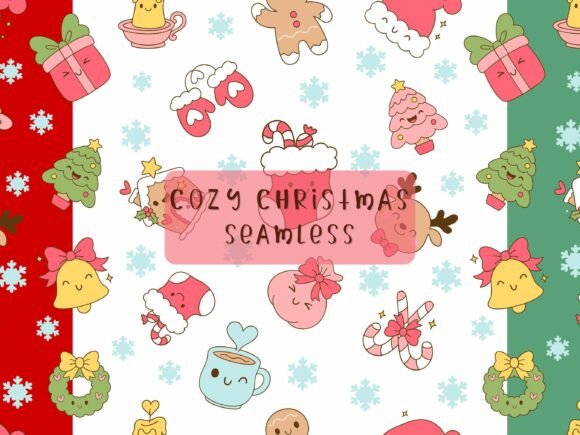
The initial encounter with the Cute Cozy Christmas Seamless Pattern suggests a warm, inviting aesthetic. The layout avoids the chaotic clutter often found in holiday graphics, opting instead for a balanced distribution of motifs that evoke comfort and nostalgia. For an embroidery project, this visual personality is crucial. A design that is too busy can become a nightmare of thread breaks and puckering, while one that is too sparse may lack impact. This pattern strikes a middle ground, offering enough detail to be engaging without demanding excessive stitch density that could compromise delicate fabrics.
The theme naturally leans toward home decor and soft apparel. When I visualize this pattern stitched out, I see it working best on items meant to convey warmth. It does not scream for attention with aggressive colors or sharp lines; rather, it invites a closer look. This subtlety is a strength for boutique branding, where understated elegance often sells better than loud, generic holiday cheer.
Real-World Application: The Tote Bag Test
To truly understand the utility of this asset, I imagined a specific client scenario: a custom order for a local coffee shop wanting holiday merchandise. They requested a set of canvas tote bags. The Cute Cozy Christmas Seamless Pattern seemed like an ideal candidate for a tote bag design. Because it is a seamless pattern, it offers flexibility. I could scale it to cover the entire front panel or use a cropped section as a pocket accent.
In this context, the pattern’s repeat nature allows for creative cropping. An Etsy seller or small shop product developer could create multiple variations from a single digital embroidery file, maximizing the value of the purchase. However, using a seamless pattern in embroidery requires careful planning. Unlike a standalone motif, you must ensure the edges align perfectly within your chosen hoop size. If the cut-off points of the pattern are awkward, the final finished product will look unintentional rather than designed.
Performance on Different Garments and Fabrics
Beyond tote bags, I considered how this pattern would perform on custom apparel. For a sweatshirt embroidery project, the pattern’s cozy vibe is a perfect match. The thicker fabric of a sweatshirt can handle moderate fill stitch areas without significant distortion. However, caution is needed when applying this to thinner materials. If you attempt to stitch this pattern on a lightweight cotton t-shirt, the cumulative weight of the thread could cause the fabric to pucker or warp, especially if the stabilizer is not robust enough.
For baby embroidery items, such as onesies or burp cloths, the softness of the design is appealing. Yet, practicality must override aesthetics. Babies have sensitive skin, and dense stitching can feel scratchy. If the Cute Cozy Christmas Seamless Pattern contains small, detailed elements, they might require a high stitch count. In such cases, I would recommend simplifying the pattern or using it only on larger items like blankets where the texture is less likely to irritate. Always test the thread colors against the fabric to ensure sufficient contrast, as low-contrast combinations can make the design disappear from a distance.
Technical Considerations for Stitching Clarity
When working with any embroidery file, understanding the stitch types is essential. While I do not have the exact technical specifications for this specific file, general principles apply. Seamless patterns often rely on a mix of satin stitch for outlines and fill stitch for larger areas. If the pattern includes tiny details, check if they are rendered with running stitch or satin. Running stitches are lighter but can get lost on textured fabrics, while satin stitches provide definition but add bulk.
One critical area to inspect is the corners and intersections of the pattern. In a seamless repeat, these areas are prone to overlapping stitches if not digitized correctly. Before committing to a final embroidery project, always stitch out a test sample on scrap fabric identical to your final material. This step reveals issues with thread tension, color blending, and registration. It also helps you determine if the design works for both commercial embroidery standards and personal use.
Navigating Fabric and Hoop Constraints
The versatility of the Cute Cozy Christmas Seamless Pattern is limited by physical constraints. On curved surfaces like caps or hats, a large seamless pattern can distort significantly. The curvature of the cap changes the perspective of the design, potentially making the repeat look uneven. For embroidered patch creation, however, this pattern could work well if contained within a defined border. Patches allow you to control the edges precisely, avoiding the awkward cut-offs that might occur on a garment.
Dark fabrics present another challenge. If the pattern relies on light thread colors against a dark background, you may need to adjust the underlay stitches to prevent the fabric color from showing through. Conversely, on light fabrics, dark threads can cast shadows if the stitch density is too high. Testing the design in black and white mockups can help you visualize the contrast and balance before you even thread the machine.
Commercial Viability and Brand Consistency
For craft business owners, the appeal of a seamless pattern lies in its adaptability. It can be used for holiday embroidery on kitchen towels, aprons, or pillow covers, creating a cohesive product line. This consistency builds brand recognition. Customers appreciate when a shop offers matching sets, such as a towel and apron featuring the same Cute Cozy Christmas Seamless Pattern. It elevates the perceived value of the handmade product and encourages larger purchases.
However, always verify the licensing terms. Just because a file is labeled as a design asset does not automatically grant commercial rights. Confirm whether you can sell finished items or if the license is restricted to personal use. This due diligence protects your business from legal issues and ensures professional integrity. Additionally, consider how the design fits into your printable mockup strategy for online listings. A clear, high-quality image of the stitched pattern can significantly boost buyer engagement on platforms like Etsy.
Final Designer Notes
In summary, the Cute Cozy Christmas Seamless Pattern offers a charming aesthetic suitable for a variety of personalized gift ideas and seasonal merchandise. Its success depends on thoughtful application. Respect the limitations of your hoop size, choose appropriate fabrics, and never skip the test stitch. By treating this digital illustration as a physical component of your craft, you can create products that are not only visually appealing but also durable and professionally finished. Whether you are decorating a tea towel or designing a boutique clothing line, let the practical realities of embroidery guide your creative decisions.